Exploring SATA Airlines: An Educational Journey in Travel and Hospitality
June 22, 2024
Introduction
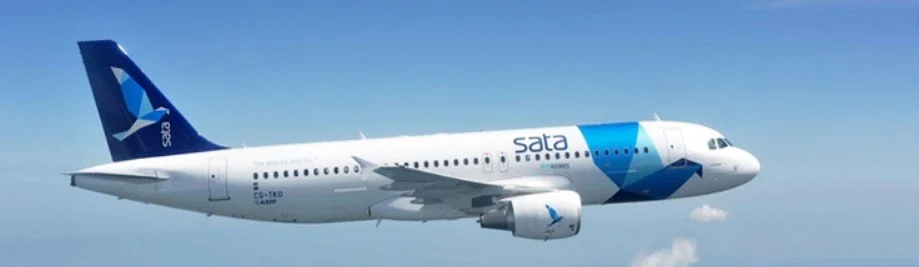
As a professor of travel and tourism management, I often traverse the skies not just for leisure but as part of my professional commitment to understanding the intricacies of the airline industry. During my off-teaching periods, I embark on flights with various airlines, meticulously noting their service quality and operational nuances to enrich my classroom teachings. Recently, I had the opportunity to fly with SATA Airlines, an experience driven by two primary objectives: to evaluate their service quality and to understand potential areas for improvement.
Why I Chose SATA Airlines
My decision to fly with SATA Airlines was primarily educational. SATA, or Sociedade Açoreana de Transportes Aéreos, is known for connecting the picturesque Azores Islands with various international destinations. Evaluating the pros and cons of their service presented an exciting case study for my students. Additionally, SATA's highly competitive fare from Boston Logan Airport to Milan, Italy, at approximately $280, was significantly lower than the average, making it an attractive option for budget-conscious travelers.
The itinerary included a brief stopover in the Azores Islands, lasting about 45 minutes. This break in the journey, after less than six hours of flight, not only seemed manageable but also offered a unique opportunity to experience the beauty of the Azores, albeit briefly. With these motivations, I embarked on my journey with SATA Airlines, ready to explore and analyze their service offerings.
Ticket Pricing and Additional Costs
SATA Airlines offers incredibly reasonable pricing, but it comes with certain limitations. The basic fare does not include seat selection or luggage. While seat selection was available for an extra fee, I chose to leave it to luck, providing an opportunity to assess the default seat allocation process. By foregoing the seat selection, I aimed to see how the system would allocate my seat randomly.
Since the fare did not cover checked luggage, I had to travel light, carrying only my laptop. This could be seen as a downside for travelers with more baggage. SATA Airlines, like many budget carriers, also attempted to upsell various services such as lounge access and other amenities. As I already had access to these services through other means, I did not purchase any extras.
These additional costs highlight the importance of understanding the full scope of budget airline pricing. While the base fare is attractively low, the final cost can increase significantly with added services, a crucial consideration for budget-conscious travelers.
Pre-Flight Experience
Before my flight, I encountered some difficulties with SATA Airlines' mobile app and online check-in process. The app, while functional, lacked the sophistication and user-friendly interface seen in the applications of more prominent airlines. Navigating through the app was not as seamless, and I faced minor inconveniences during the online check-in process.
However, SATA Airlines offered a unique advantage compared to other companies—the ability to check-in more than 24 hours in advance. This extended check-in window was a pleasant surprise and provided a level of convenience that is often missing with other airlines, where the check-in window typically opens only 24 hours before the flight. Despite the app's shortcomings, this feature demonstrated a customer-centric approach, allowing travelers more flexibility in managing their travel plans.
Streamlined Check-In Process
One aspect of SATA Airlines that pleasantly surprised me was their streamlined check-in process. Despite the app's lack of polish, it allowed for a comprehensive check-in experience. I was able to enter my passport details and complete the check-in process entirely through the app. This convenience meant that, since I had no checked luggage, I could bypass the airline's desk entirely and head straight to security upon arrival at the airport.
This process could not only save time but also reduced the stress commonly associated with airport check-ins. The ability to handle everything digitally before arriving at the airport is a significant advantage, particularly for tech-savvy travelers and those without checked baggage. It reflects a forward-thinking approach that enhances the overall travel experience.
However, there was a significant drawback: the app did not provide a boarding pass. Despite completing the check-in process online, I still had to obtain my boarding pass at the airport. This meant I could not proceed directly to security as I had initially hoped.
Airport Check-In Experience
Upon arriving at the airport, I anticipated the need to print my boarding pass. I arrived early, hoping that automated kiosks would facilitate this process. Unfortunately, none of the available ATM-style machines supported SATA Airlines, leaving me with no choice but to visit the check-in counter.
Fortunately, the check-in desk was not busy, possibly due to my early arrival. I was the first person in line, and the check-in process was remarkably smooth. The staff member at the desk was exceptionally courteous and efficient. After presenting my passport, the entire process took less than five minutes. I quickly received my boarding pass and was ready to proceed to security.
A unique and smart difference compared to other airlines was the handling of the boarding pass. SATA Airlines issued a single boarding pass for both flight segments. This consolidated approach was in stark contrast to other airlines, which typically issue separate boarding passes for each leg of the journey. I appreciated this efficient method, as it reduced the clutter and confusion often associated with managing multiple boarding passes.
TSA Precheck Challenge
My first and only disappointment during the check-in process was related to the TSA Precheck service. As a frequent traveler, I rely on TSA Precheck to expedite my security screening. However, when I asked the clerk to add my TSA Precheck number to the boarding pass, he informed me that SATA Airlines is not part of the TSA Precheck program. This was quite surprising and a bit perplexing.
I found it odd that an airline operating international flights from the United States was not part of the TSA Precheck program. When I inquired further, the clerk could not provide a reason for this exclusion, simply stating, "I don't know." Upon further investigation, I discovered that some low-cost and international airlines do not participate in the TSA Precheck program. This was a new revelation for me, as I had assumed all airlines operating in the U.S. would be part of this program. It turns out that a few budget airlines and some international carriers do not offer TSA Precheck services. This insight provided a broader understanding of the variations in service offerings across different airlines and highlighted the need for travelers to research specific airline policies before booking.
Boarding and Seat Experience
Getting on the plane was an easy process. Although there was a slight delay of less than 30 minutes, the boarding process itself was smooth and well-organized. The boarding procedure was similar to that of other airlines, with passengers being called in groups. There were no issues, and the process moved efficiently.
However, my experience took an unexpected turn when I reached my seat. During check-in, I was informed that my seat was an emergency exit seat, which led me to expect more legroom. Typically, emergency exit seats are known for their larger leg space, and I looked forward to a comfortable flight. To my surprise, the seat, designated as E8, was not the typical emergency exit seat but was located in front of it.
This seat was extremely tight and small, a stark contrast to my expectations. The limited space made the flight quite uncomfortable, and I was particularly disappointed as I had anticipated the additional legroom associated with emergency exit seats. In my opinion, the dimensions of this seat were so restrictive that it should not be used for passengers, especially on an international flight.
The tightness of the seat created a significant amount of stress and anxiety throughout the nearly six-hour journey. For travelers who are even slightly overweight, this seat could pose serious problems. My experience highlighted a critical issue in seat allocation and passenger comfort, and I believe it is important to warn potential passengers about the constraints of such seating arrangements.
In-Flight Experience
Once on board, the service team quickly turned the experience around with their outstanding performance. The first flight’s cabin crew, which was mostly female, were truly exceptional. They were polite, helpful, and bilingual, fluently speaking both Portuguese and English. Their friendliness and prompt service created a welcoming atmosphere that greatly enhanced the in-flight experience. Our first flight, despite being on a smaller aircraft, was marked by exceptional service. The mostly female crew was extremely pleasant and attentive, making the experience enjoyable. The seating was standard, nothing to write home about, but the warmth and efficiency of the crew more than made up for it.
Our journey from Ponta Delgada to Milan brought with it some interesting contrasts. Having just experienced a smooth, albeit delayed, layover at the quaint Ponta Delgada airport, we were ready for the next leg of our trip. However, the differences between the two flights were notable.
Boarding the second plane to Milan, we were immediately struck by the improvement in seating. The seats were much more comfortable, offering a welcome respite. However, this comfort was overshadowed by a noticeable drop in the quality of service. The crew, this time composed entirely of men, seemed rushed and less friendly. Their interactions with passengers felt curt and impersonal, likely due to the shorter duration of the flight. This difference in service quality was stark and a bit disappointing.
In terms of entertainment, the physical environment of both planes did not include the typical in-flight entertainment systems often found on other airlines. Instead, passengers were given the option to connect their phones to access entertainment. Personally, I did not find this service particularly useful and chose not to use it. Additionally, while there was a USB port available for charging devices, I did not have a USB cable with me, which rendered this feature unusable.
We were served dinner on the first leg and breakfast on the second, both accompanied by a beverage. Although both meals were satisfactory, there were no options to choose from. I had the opportunity to try the dinner, but I skipped the breakfast as it was served with bacon. Typically, food service operators aim to cater to a wide range of dietary needs and avoid mixing such foods due to various dietary restrictions.
I heard some passengers express their concerns about this issue, and the response from the crew was that meal preferences could be selected during the check-in process before boarding the plane. This information was not well communicated beforehand, which led to some dissatisfaction.
The beverage service was standard compared to other airlines. The captain announced that liquor could not be served on the plane due to Portuguese law. However, offering delicious Portuguese wines and beer, particularly IPA, was a delightful touch that added a local flavor to the in-flight experience.
Overall, while the meal service had its limitations, the inclusion of Portuguese wines and beer was a commendable effort to enhance the dining experience. Properly informing passengers about meal selection options beforehand could further improve the service. Planning to cater to the majority of passengers is also helpful. Even a simple touch, such as serving eggs and bacon separately, could make a significant difference.
What Matters More: Seating or Service?
This experience poses an interesting dilemma for frequent flyers: would you prefer better seating or better service? Personally, I lean towards more comfortable seating, especially on longer flights. However, the importance of good customer service cannot be understated. Friendly and attentive service can significantly enhance the overall travel experience.
Layover Adventures in Ponta Delgada
Our layover in Ponta Delgada turned out to be a smooth yet intriguing experience. Upon landing at this quaint and small airport, we were immediately escorted to a modest waiting room. Initially, we were informed that our wait would be just 45 minutes. However, due to unforeseen circumstances, the wait extended by an additional hour, totaling almost two hours before we could reboard our plane.
Despite the delay, the atmosphere in the waiting room remained relatively calm. There weren't many complaints from fellow travelers, although the lack of services did not go unnoticed. The only coffee place in the area opened just moments before we were scheduled to board, which offered a brief respite but wasn't much in terms of amenities.
Some passengers expressed frustration about having to disembark and carry all their luggage, particularly since we were technically using the same plane. However, this turned out to be a misunderstanding. While I remained unbothered, a few travelers voiced their concerns. The airline staff handled these complaints admirably, clarifying that although it seemed like we were reboarding the same aircraft, a crew change necessitated the process.
In the end, we did end up changing both the plane and the crew, contrary to initial expectations. Overall, the experience, though slightly inconvenient, was managed well by the airline staff and didn’t detract significantly from our travel plans.
Recommendations for SATA Airlines
It's clear that SATA Airlines needs to ensure a consistent level of customer service across all its flights. The excellent service we received on the first flight should be the standard for all crews. Investing in additional training for the second crew could bridge the gap, ensuring all passengers receive the same high-quality service, regardless of the flight duration or crew composition.
Overall, SATA Airlines has a satisfactory operation, but there is room for improvement. Here are a few key recommendations:
Standardize Crew Training: Apply the same training and standards for crews on all legs of the journey to maintain high customer service levels.
Enhance F&B Operations: Focus on small touches in the food and beverage service to satisfy more customers. Simple changes, like serving eggs and bacon separately, can make a significant difference.
Improve Seat Comfort: Address the issue with seat E8, as it may lead to revenue loss in the short term, it is still a good idea to even cancel it to improve guest satisfaction which improves the revenue in the long term.
Improve the App: Enhance the mobile app to include features like adding boarding passes, which would improve the check-in process.
Consider TSA Precheck: Explore the possibility of joining TSA Precheck. While the cost and demand need to be assessed, it could be a valuable addition for frequent flyers.
In conclusion, while the second flight offered superior comfort, it fell short in customer service. Balancing both aspects would undoubtedly enhance the overall travel experience. Ideally, we shouldn't have to choose between the two.
Would I Travel with SATA Again?
It wouldn't be my first choice, especially since services like TSA Precheck, seat comfort, and customer service are important to me. However, depending on the situation, I might consider it, ensuring I select the right seating. It's definitely a good option for flexible and budget-conscious travelers.
What Matters More for You?
After my experience with SATA, I have a few questions for travelers considering a trip with them:
Would you prefer better seating or better service?
Can you live without in-flight entertainment for a six-hour journey?
Would you rather fly directly to Europe, or do you enjoy the idea of a short break in the middle of the ocean, or even a couple of days' stopovers?
How important is TSA Precheck for you?
How important are additional services such as seat selection, luggage options, lounge access, and priority boarding for you?
Is price everything when planning? If not, how important is it to you?
Reflecting on these questions can help you decide if SATA Airlines is the right choice for your travel needs.
Safe travels and happy flying! ✈️